Yep, It is getting that time of year again. Whether the culprit is the weather or an energy shortage, power outages can be a nuisance. Here are a few tips to help you get through:
Keep food cold by keeping the refrigerator door closed; place highly perishable items in a cooler with block ice or freezer packs.
Keep a supply of bottled water and some canned, non-perishable food on hand.
Make sure you have a flashlight and extra batteries in your home. I love the new EverLife flashlights that you just have to shake a little for them to work. A battery-powered radio will help you keep track of any storms.
Your cordless phone won't work during an outage, so be sure to have at least one conventional phone in your home in case of emergency.
Power Outage Tips
Tuesday, November 1, 2005 –
6:13 AM
Secret Tests To Check A Property’s Condition
Wednesday, October 5, 2005 –
6:14 AM
If you’re considering buying a house that’s more than a few years old, there may be some hidden problems you can discover before you make a purchase offer. Although putting a professional inspection contingency in the contract will help protect you from surprises, doing your own inspection before making an offer could save you considerable time and money.
How can you tell if a property is worth buying? Here's how to look at the big picture -- for structural concerns, major repairs that are needed, appliances that have to be replaced.
Crawl The Walls 
Start going to the right when you enter the house, and keep on following to the right. You will check each wall that way. Do the same on every floor. Look for settlement cracks, separating joints, defective plaster or other signs of stress or damage. Check wallpapered areas for crinkling or gathering, which may mean walls are settling or shifting.
Look For Leaks
Loose or wrinkled wallpaper could indicate a water leak somewhere. Look for water stains on the ceiling and walls. You may have to look closely -- bring a flashlight -- in case they have been painted over or repaired.
Spend time in the bathrooms and in every area with pipes, checking for leaks and drips. Also, run the shower and basin, then flush the toilet to check water pressure. Look for cracked or loose tiles and missing grout or mildew stains on the walls or floor, which could indicate a behind-the-wall leak.
Plug Into The Electrical System
Check every electric socket or outlet. Use a plug-in night light and turn every switch on and off. Look for extension cords and multiple plugs in sockets, which could mean insufficient or poorly placed sockets. Also check every appliance to be sure it works well.
Focus On Condition
Open and close every door and window. Look and listen for squeaking, sticking, or a tendency to close on their own. Check for evidence of shifting or settling around the front stoop, chimney and walks, and places where the driveway and the fence meet the house. Also check the deck for sturdiness and look for rotted wood. Go into the garage and check the walls, floors and doors -- inside and out.
Pay Attention To Pests
Look for termites and ants. Especially look along the foundation, around doors and entry points of wiring and pipes. Check the grading of the yard to be sure water runs away from the house.
If everything looks good to you and you decide to purchase the house, be sure to require a home inspection by a professional inspector before settlement. You will want a professional who will crawl into the crawl space, climb onto the roof and poke around with a flashlight in the attic. Your professional should also carefully inspect the major systems -- electrical, gas, plumbing and heating/air conditioning.
You can and should insist on a written report detailing what the problems are with the house, how important each one is. You may have to consult a contractor to estimate repair costs on any problems found.
Pitfalls of kitchen remodeling revealed
Tuesday, October 4, 2005 –
7:25 AM
New book helps overcome obstacles 
By Robert J. Bruss
Inman News
If you are thinking about renovating your kitchen, first read "Tips and Traps for Remodeling Your Kitchen" by R. Dodge Woodson. Especially if you are thinking of doing the work yourself or being your own contractor and hiring sub-contractors, this book will bring you to your senses.
Woodson, a contractor for more than 30 years, shares his expert insights into the kitchen remodeling business and all the important aspects. Placing a very high emphasis on price, the author explains the pros and cons of being your own renovation contractor or doing some of the work yourself.
If the book has a fault, it is Woodson makes some of the work seem too easy. For example, he makes "hanging Sheetrock" appear to be a simple job. It's not. Having been involved with many house and kitchen remodels on my properties, I've watched expert drywall workers; even these professionals sometimes have difficulties getting it right.
Although the book has many photos of remodeled kitchens, illustrating the topics such as floors and cabinets, it is mostly about hiring a general contractor or doing the work yourself. Woodson explains, often in painful detail revealing possible complications, what is involved in tearing out an old kitchen and replacing it with an up-to-date kitchen.
Not only does the author explain unanticipated problems that he has encountered over his 30 years of construction experience, but he emphasizes the possible pitfalls to be anticipated. If ever there was a book of required reading for kitchen remodelers, this is it because it exposes the pitfalls and how to overcome them.
Having watched many friends remodel their kitchens, I understand the possible problems. One couple I know took almost a year to complete their kitchen because the remodeling contractor they hired was a real dunce. After they fired him, they discovered other remodeling contractors didn't want to complete their project started by another contractor.
Woodson explains how to successfully remodel your kitchen. He begins with the basics, such as roughly drawing what you want and then interviewing several remodeling contractors. He emphasizes how to compare bids, check references, and then hire a contractor. Or, you can do it yourself based on the great information in this new book.
More important, the author emphasizes how to save money. He shares his calendar of when is the best time of year to hire a remodeling contractor. Don't tell, but the best time is November, December or January when most remodeling contractors are least busy.
In addition, Woodson explains how to get even a better price by agreeing with the contractor to make your remodel a "fill-in job" or a "reference job." A fill-in job is highly discounted because the contractor can work on it when his other jobs are tied up with sub-contractors who are late or he has time between jobs.
A "reference job" means the contractor can refer other prospects to inspect the work in your home. The author recommends becoming a "reference job" in return for a big discount. He says you are likely to get the highest quality work and best service because the contractor will be using you as a reference.
Any homeowner considering remodeling his/her kitchen must read this book for its "insider information," which only an experienced remodeling contractor knows. To illustrate, Woodson explains why homeowners can save by shopping for materials among suppliers to get the best discount prices. He even shares how homeowners can get the customary contractor's 10 percent discounts.
Chapter topics include "Planning Your Job"; "Drawing Your Own Rough Plans"; "Solidifying Plans and Estimating Job Costs"; "Choosing Your Materials"; "Getting Your Best Price on Materials"; "Subcontractors"; "Selecting Contractors and Subcontractors"; "Dealing with Contractors"; "Code Considerations"; "Financing Your Project"; "Ripping Out Kitchens"; "Unexpected Conditions"; "Flooring"; "Walls and Ceilings"; "Mechanical Work"; and "Cabinets, Countertops, Fixtures, Trim and Appliances."
This ultra-complete guidebook for kitchen remodelers cannot be recommended too highly. It won't help you decide what kind of kitchen you want. But it will show you how to profitably deal with the contractors and sub-contractors. On my scale of one to 10, this simple book scores an off-the-chart 12.
"Tips and Traps for Remodeling Your Kitchen," by R. Dodge Woodson (McGraw-Hill, New York), 2005, $16.95, 202 pages; Available in stock or by special order at local bookstores, public libraries, and www.amazon.com.
Blast From The Past
Saturday, October 1, 2005 –
8:14 AM
PastLove that retro look? You're not alone. Vintage and retro home furnishings, housewares and collectibles are hot.
If you're looking for authentic Fifties fabrics, a retro chrome floor lamp or starburst clock, or you just want to take a trip down memory lane, you may find these websites worth checking out:
- WallpaperFromThe70s.com
- GoodEyeOnline.com - furniture and accessories
- RetroDecades.com - furniture, housewares and more
- RetroHome.com - furnishings and collectibles from the '20s to the '70s
- Unique-Vintage.com - clothing and TV show wardrobe items
- VivaLaVintage.com -clothing and housewares from the '40s, '50s, '60s, '70s and '80s.
Townhome Just Listed in Renton
Monday, September 19, 2005 –
2:39 AM
SOLD
I have more Homes avebale.
Please call me.
(206) 406-2710
.
19166 110th Pl SE Renton 98055
See Additional Pictures
Status Active Listing# 25135859 King County
Beds 2
Baths2.50
Gas Fireplace 1
List Price 224,750
Year Built 1998 Townhouse
Covd Prkg. 2 Garage-Attached
SQFT 1194
Map: 686 Grid: D-2
Appliances
Dishwasher, Dryer, Garbage Disposal, Range/Oven, Refrigerator, Washer
Interior Features : Bath Off Master, Ceiling Fan(s), Dining Room, Dble Pane/Strm Windw, Pantry, Security System, Vaulted Ceilings, Walk-in Closet
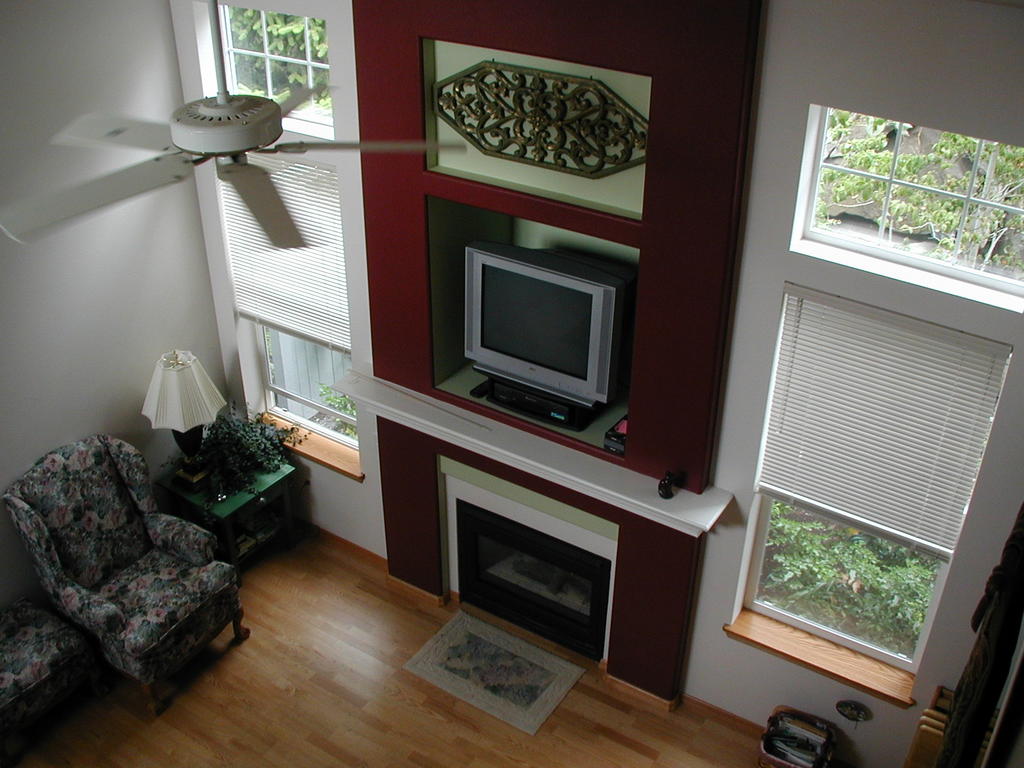
Location, Location. This wonderful town home has new red oak floors on the main level. The livingroom has vaulted ceiling and lots of tall windows. The diningroom has a glass sliding door to take advantage of the private back yard. Large kitchen with ample cabinets & counter space. This freshly painted home has a master bedroom with a large walk-in closet and a full bath. Also 2nd bedroom has it's own private bath. A 2 car garage,gas fireplace, powder room & much more. Come see it before it is too late.
Please Call me for more info.
(206) 406-2710
Lonnie Snyder / Keller Williams SE Sound
Lot Sizes And Square Footage Are Estimates.
Information From Reliable Sources, But Not Guaranteed.
What are the two most important factors when selling a home?
2:31 AM
Price and condition are the two most important factors in selling a home, even in a down market. The first step is to price your home correctly. Use comparative sales information from your agent,(Thats me) or pay for a professional appraiser (usually $200 to $300), to objectively evaluate your home's worth. Second, go through the house and repair any obvious cosmetic defects that could deter a buyer.
In a down market, you may have to consider lowering your price and/or making a major repair, such as replacing the roof, in order to lure a buyer. Also, make sure that your home is getting the exposure it deserves through open houses, broker open houses, advertising, good signage and a listing on the local multiple listing service or online listings provider.
If this isn't happening, take it up with your agent or agent's broker. If you are still not satisfied you are getting the service you need, you may have to switch agents.
Putting Your Home's Equity To Work.
Thursday, September 8, 2005 –
1:21 AM

Do you have idle equity sitting in your home that could be building wealth instead? One of the great aspects of homeownership is that you increase your wealth every month by building equity in your home and reducing your tax bill at the same time.After you've been in your home a few years, you may have some equity that you could put to work for you. Even if the property has appreciated by just a few percentage points per year, significant equity can build up fairly quickly. Just be sure you retain enough equity that you'll be able to pay a real estate agent's commission when you sell the home.
Home equity loans are the most common means of tapping a home's value. In states where home equity loans are not allowed, however, you can still put your home's value to work by refinancing it for more than you currently owe--a "cash out" refinancing.The first way most homeowners think of using their equity is to pay off high-interest debt. That's one popular option, but you could also invest that equity in other ways. Here are six more ways to put your equity to work for you.
1. Trade Up
Using your equity as a down payment for a larger home could make financial sense. If you're in a $200,000 home now and it appreciates by 5% each year, your gain is $10,000 for the first year. In five years, that home would be worth $255,256. But in a $275,000 home, that same 5% growth would be $13,750 for the first year. After five years, the more-expensive home would be worth $350,977-nearly $100,000 more than the less-expensive home.Of course, you may not be able to count on 5% appreciation every year. It could be higher or lower, depending on the state of the economy and market conditions. Not to worry, though. Even 2% appreciation will still add up over time.Using additional equity to trade up will allow you to put a significant amount of money down on your next home. That could allow you to own a home you never could afford before.
2. Downsize
Another way to use your equity is to scale down. With the recent changes in tax laws, homeowners may sell a home every two years and walk away with tax-free profits up to $250,000 (for singles) and $500,000 (for married couples). By scaling down, you can purchase a smaller, less-expensive primary dwelling, and use the extra cash for investments, debt reduction or even purchasing an investment property.
3. Investment Property
While the stock market often bounces up and down, many investors feel comfortable with the security of real estate. Not everyone has extra money to play the stock market profitably, but landlords can enjoy income every month. The secret is selecting the right property and finding expert property management if you don't want to manage the property yourself. We can help with both these issues."Some buyers have found it beneficial to purchase a property in the area where their college-age children are going to school. Their child can help manage the units and share the housing with other students to defray costs. The young adults learn responsibility and property management skills, and you have a live-in manager to watch over your investment.
4. Second Home
The real estate market has been fueled during the past few years by retiring baby boomers purchasing second homes. Maybe now is the time to purchase that home on the beach, at the lake or in the mountains. We can refer you to a knowledgeable agent in a resort area to help you with this move.If you know you're retiring to a particular area in the next few years, study that market now. You may want to buy the home now while prices are still affordable. If you do, you could rent the home during the peak vacation season. Many second homeowners discover they can just about cover their annual property expenses by renting out during peak season.
5. Shared Equity
Another way to put your idle equity to work is to lend it to an adult child as a down payment for his or her first home. Some parents maintain a co-ownership interest while the young adult makes the mortgage payments. At the time of the sale, the equity is then split between the two. This is called a shared-equity arrangement.
6. Remodel
If you really like where you're living, but desire a few more amenities, consider taking cash out for remodeling or adding to your current home. The interest paid on some home equity loans is tax deductible, just as it is with your first trust.